On April 20, 2026, the China Institute of International Studies (CIIS) held the launch event for the Report on the Global Security Situation (2025) in Beijing. Wang Lixin, director-general of the Department of Security Cooperation at the Ministry of Foreign Affairs (MFA) of China, delivered a keynote speech on the Global Security Initiative (GSI). A total of 120 people, including around 20 ambassadors to China from over 60 countries and international organizations, more than 80 diplomats and representatives, as well as renowned Chinese experts, scholars, and media representatives, attended the event.
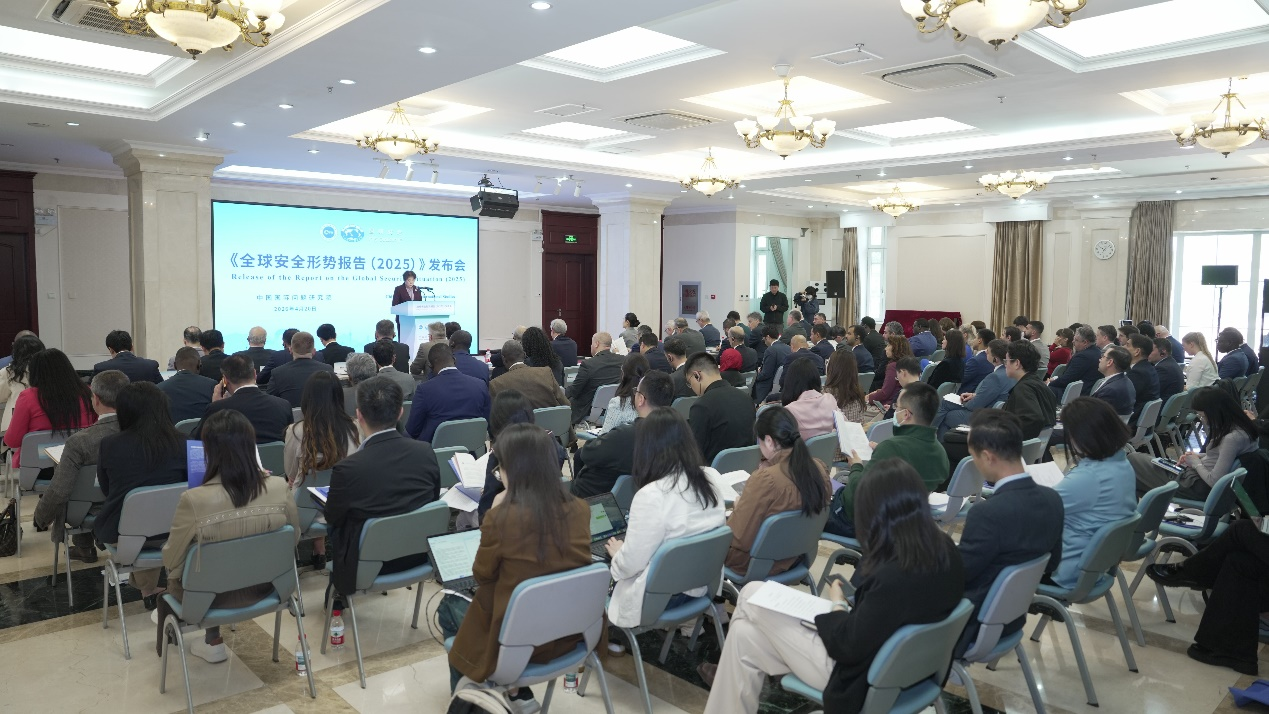
Wang highlighted that the GSI provides clear responses to "what kind of security concept the world needs", and "how can countries achieve common security", two pressing questions of our time. It contributes China's wisdom to promoting and improving global security governance.
First, it has mapped out the course for addressing security dilemmas. Guided by head-of-state diplomacy, China has worked with all parties to promote an Asian security model featuring shared security, respect for differences, and dialogue and consultation. It has advanced efforts to build a demonstration zone for cooperation under the GSI between China and Africa and to implement peace initiatives with Latin America, contributing top-level design to global peace and stability.
Second, it has contributed concrete actions to address hotspot issues. Chinese Foreign Minister Wang Yi has held 28 rounds of phone talks with relevant countries. The Chinese government's special envoy on Middle East affairs has conducted shuttle diplomacy in the Gulf and Middle East region. China, together with Pakistan, has also put forward a five-point initiative on restoring peace and stability in the Gulf and the Middle East.
Third, it has provided solutions for improving global security governance. Under the guidance of the initiative, China has strengthened forward-looking planning to address both existing and potential security challenges. It has proposed the Global Initiative on Data Security and promoted the development of governance rules in emerging domains such as the deep sea, polar regions, outer space, and cyberspace.
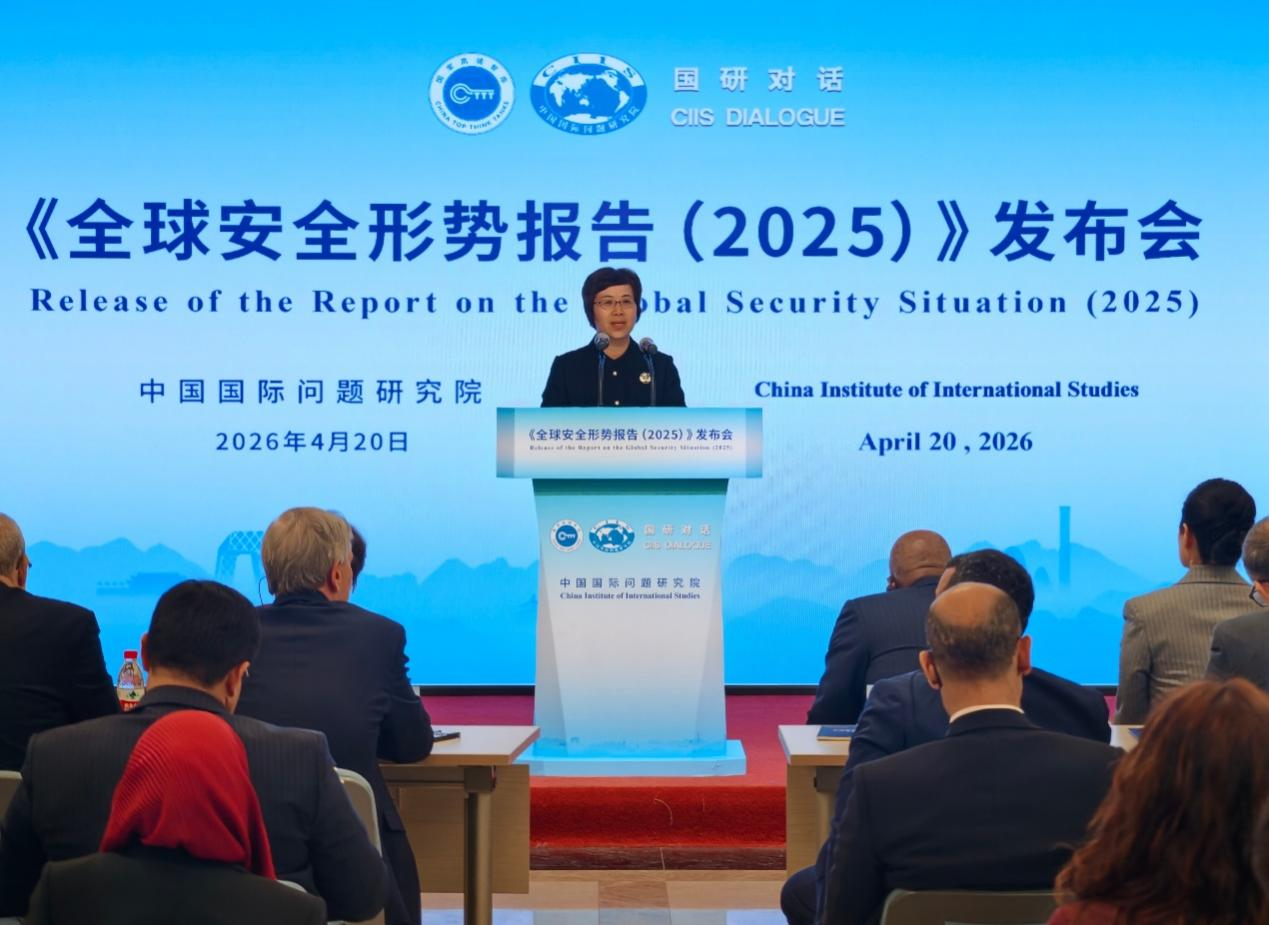
Wang stressed that China stands ready to work with all parties to implement the GSI, and jointly safeguard world peace and stability by pursuing a new path featuring dialogue rather than confrontation, partnership rather than alliance, and win-win cooperation rather than zero-sum rivalry.
First, revitalizing the United Nations system. China will continue to work with all parties to strengthen international security cooperation under the framework of the United Nations and promote the global security governance system toward a more just, equitable, and effective direction.
Second, actively promoting peace and dialogue. China remains committed to resolving conflicts and disputes through political and diplomatic means, seeking common ground while reserving differences through dialogue, and building consensus through negotiations, with the aim of achieving political solutions and lasting peace.
Third, strengthening the forces for peace. China firmly supports greater representation and a stronger voice for developing countries in global security affairs, jointly opposes hegemonism and power politics, and contributes greater stability and positive energy to a turbulent world.
Fourth, expanding exchanges and cooperation. China stands ready to improve communication on security policies with all parties, and to carry out security cooperation based on shared or similar goals, in order to build broader consensus and pool strength for global security governance.

Martin Charles, ambassador of the Commonwealth of Dominica to China; Piao Yangfan, deputy secretary-general of the Shanghai Cooperation Organization (SCO); Wang Fan, former president of China Foreign Affairs University; Carlos Vasquez, ambassador of the Republic of Peru to China; and Yang Mingjie, former president of the China Institutes of Contemporary International Relations, delivered speeches in succession.
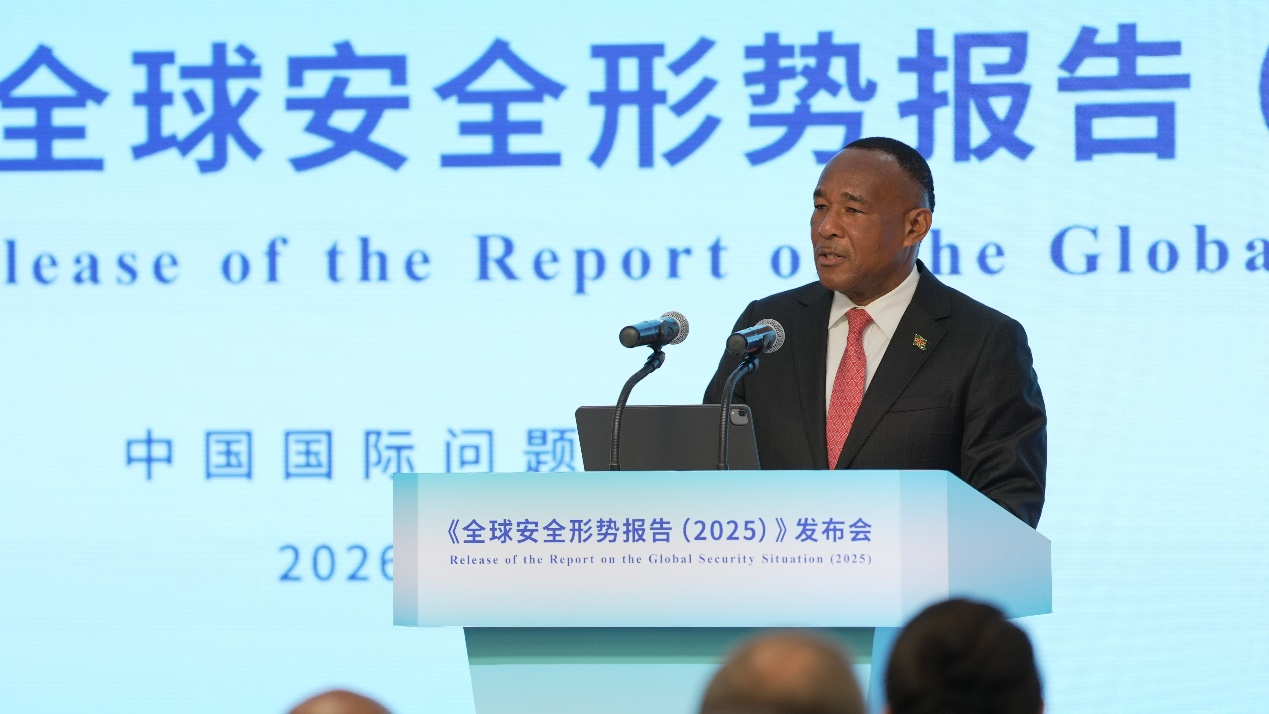
Charles noted that the global security environment is becoming increasingly fragmented. To ensure a safer and more secure world for future generations, priority must be given to diplomatic approaches, investment in sustainable development, and stronger collective responses to global security challenges.
Piao stated that the SCO has continued to advance multilateral cooperation across political, security, economic and people-to-people fields. Together with like-minded countries and regional organizations, it has made positive contributions to long-term regional stability, the well-being of people, and the reform and improvement of global governance.
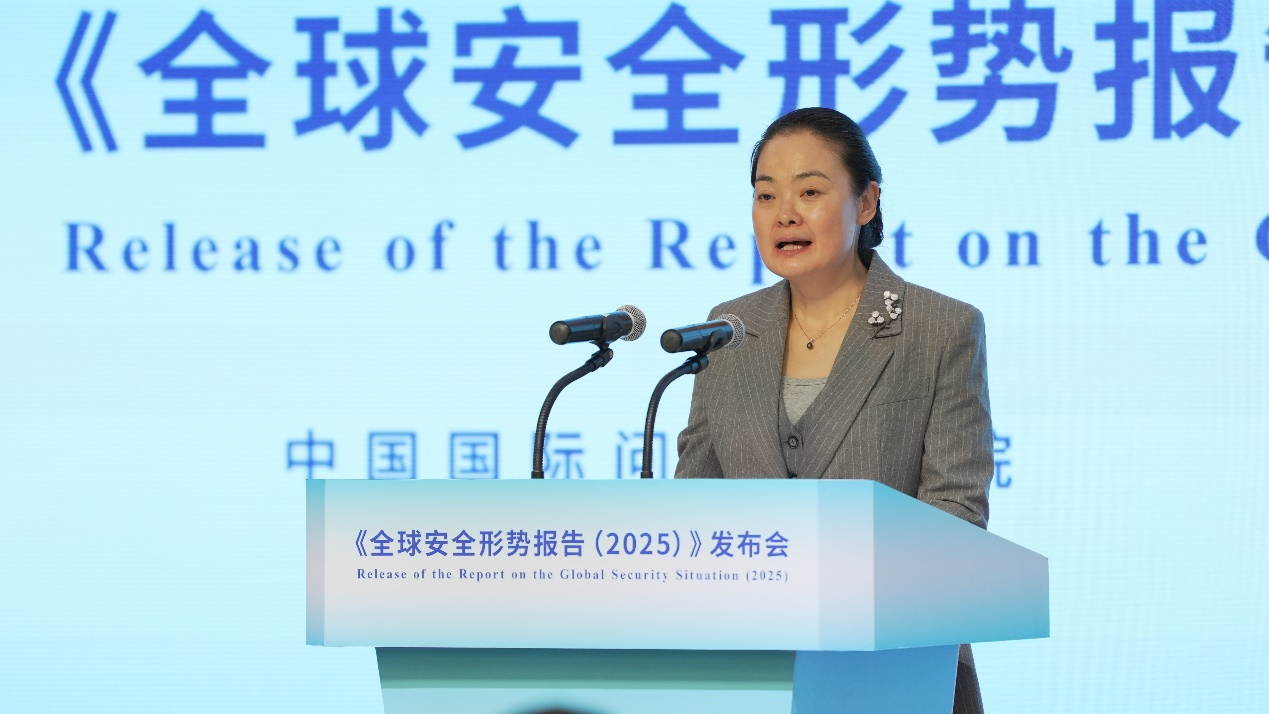
Wang Fan pointed out that the resurgence of power politics is exerting a growing impact on the security landscape. Upholding the central role of the United Nations, reforming and improving international institutions, and promoting a more just and equitable international order are essential to fundamentally addressing current security challenges.
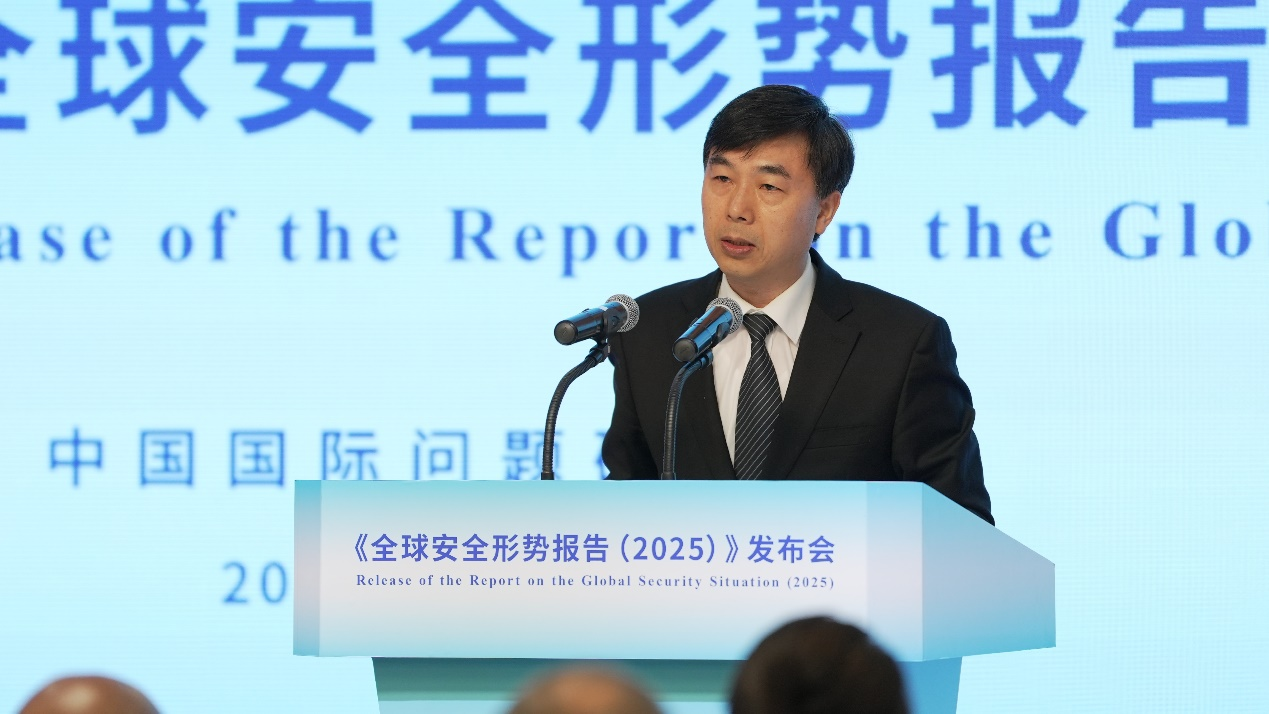
Vasquez noted that the international security situation is showing worrying trends. It is imperative to strengthen multilateralism, pursue solutions based political means and talks, and adopt collective actions based on cooperation and mutual respect to address shared challenges.
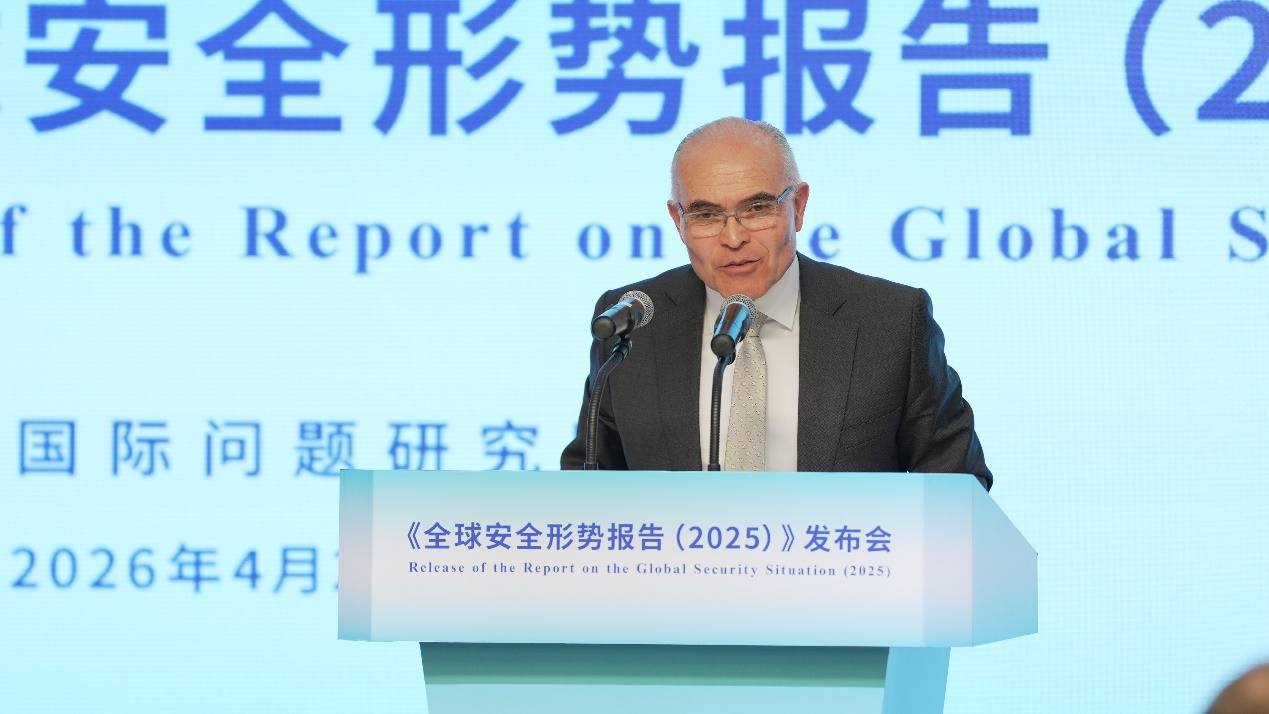
Yang Mingjie stressed that the international order is facing the most severe test since the end of World War II. In response to emerging security challenges, efforts should focus on promoting peace, putting people first, preventing risks, and staying true to original aspirations, so as to advance the building of a community with a shared future for humanity and safeguard global peace.
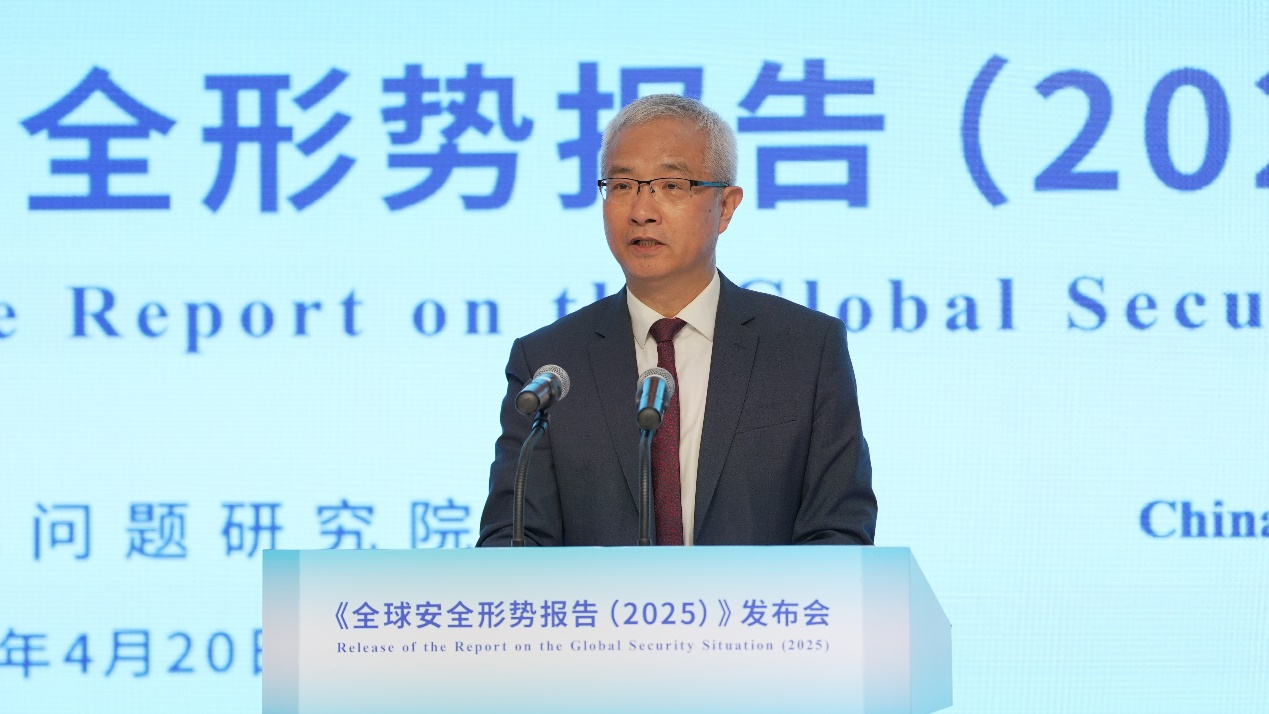
Chen Bo, president of the CIIS, introduced the main findings of the research report, noting that amid the growing frequency and complexity of global security challenges, the contemporary relevance and practical significance of the GSI have become increasingly evident.
History has repeatedly shown that resorting to force only breeds new hatred and sows the seeds of further crises. Only by upholding a vision of common, comprehensive, cooperative and sustainable security and sticking to peaceful coexistence, dialogue and consultation, and solidarity, can the international community effectively address security challenges. Countries should embrace the vision of a community with a shared future for humanity and further advance the implementation of the Global Development Initiative, the GSI, the Global Civilization Initiative, and the Global Governance Initiative, in order to uphold the prevailing trend of peace, development, cooperation and mutual benefit. Chen also expressed appreciation to all parties for their support for the drafting and release of the report.
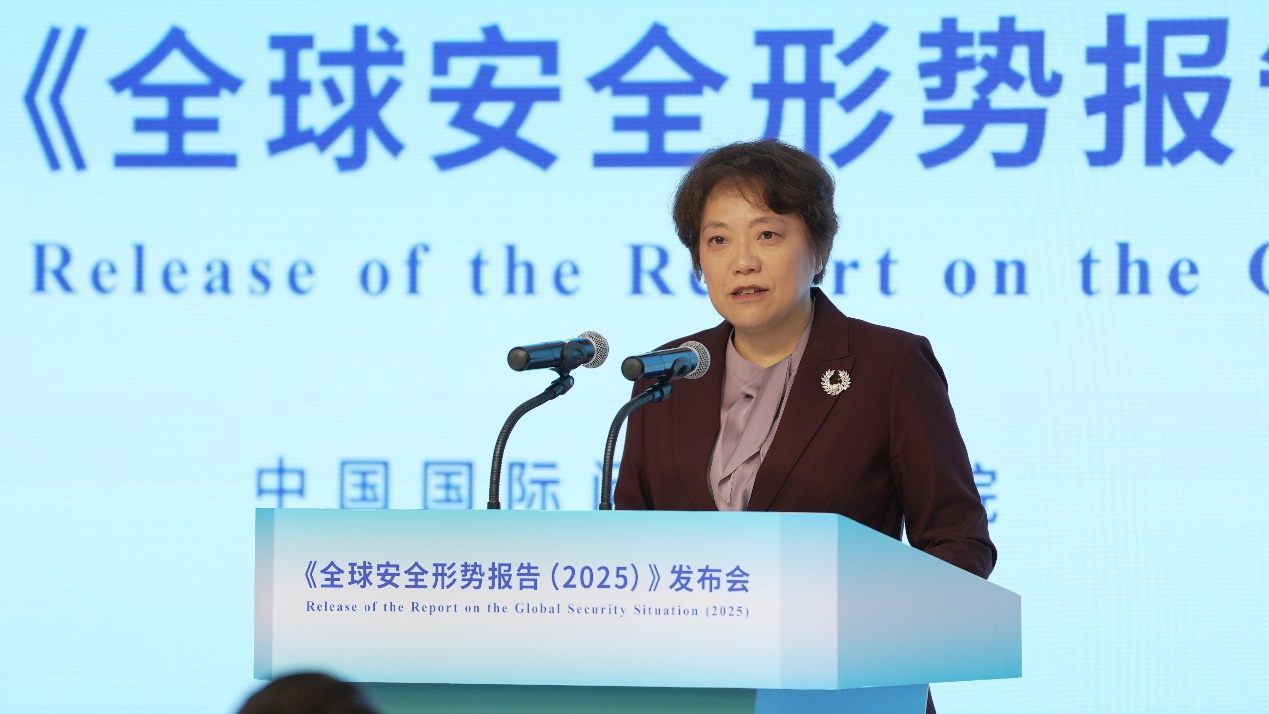
This marks the first annual Report on the Global Security Situation released by the CIIS. The report notes that the global security landscape in 2025 was characterized by several key trends. First, rising tensions, with widening peace and security deficits. Second, profound adjustments in the balance of international power, accompanied by diverging contributions to global peace and justice. Third, frequent and intensifying security challenges across geopolitical regions. Fourth, China’s domestic and foreign policy stability provides valuable certainty to the world, with its role as an anchor of global peace and stability becoming increasingly prominent. The report also offers an outlook on the international situation in 2026.
Chen Bo, president of the CIIS, hosted the launch event. Participants spoke highly of the report.